What Land Sellers Should Know About Septic Engineering and Design in Wantage NJ
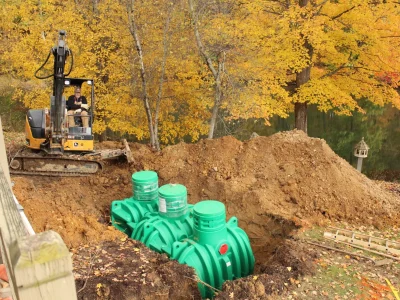
Selling vacant land sounds simple until a buyer asks the question that changes the whole conversation: “Can it support a septic system?”
At that moment, price, marketing, and even the size of the parcel take a back seat to one practical issue. If the lot is not served by public sewer, the value of the property often rises or falls on whether a safe, code-compliant septic system can be designed and approved. In Wantage, that question is rarely answered by guesswork. It turns on soils, topography, setbacks, groundwater conditions, local review, and the quality of the engineering behind the plan.
For land sellers, this is where many deals either gain momentum or stall out. A lot that “should be buildable” is not the same as a lot that has been properly evaluated. Buyers know the difference, lenders know the difference, and so do experienced real estate agents. If you are preparing septic engineering and design Wantage NJ to sell, understanding septic engineering and design Wantage NJ can save time, reduce price cuts, and help you present the property with far more credibility.
Why septic feasibility matters so much on vacant land
A house can be redesigned. A driveway can be moved. Even a building envelope can sometimes shift. Septic limitations are less forgiving. If the soils do not support proper wastewater treatment, or if the usable area is pinched by wetlands, wells, slopes, streams, or property lines, the entire development plan may change.
That reality affects raw land more than almost any other factor. Two five-acre parcels can look nearly identical from the road and sell at very different prices because one has a clean path to septic approval and the other comes with uncertainty. Buyers are not just purchasing dirt. They are purchasing the ability to build a home, satisfy the health department, and avoid expensive redesigns.
I have seen sellers lose leverage simply because they relied on assumptions. A parcel had been in the family for years, everyone in the neighborhood had septic, and the owner assumed this lot would be no different. Once the buyer’s engineer opened test pits, it became clear that shallow limiting layers narrowed the options. The deal did not die, but the negotiation changed overnight. The buyer now had risk, and the offer reflected it.
What septic engineering actually involves
Many sellers think of septic as a tank and a field. That is the simplified version. Engineering and design is the disciplined process of determining whether wastewater can be safely treated on site and, if so, where and how that system should be installed.
A proper septic design usually starts with field investigation. That can include soil test pits, percolation or permeability-related evaluation where required, site measurements, and a review of slopes, drainage patterns, and nearby features. The engineer is trying to answer several practical questions. Is there enough suitable soil? Is there adequate separation from groundwater or restrictive layers? Can the system fit while maintaining required setbacks from wells, property lines, buildings, and environmental constraints?
After the fieldwork, the engineer translates those findings into a design that matches both the site and the proposed use. A modest three-bedroom home places different demands on a site than a larger home with more bedrooms. Layout matters too. If the best septic area conflicts with the best house site, the engineer may need to balance both. The result is not a generic drawing. It is a site-specific plan.
For a seller, that distinction matters. A buyer is reassured when the property has been evaluated in a way that is tied to the actual lot, not to neighborhood assumptions or old verbal opinions.
Why Wantage properties deserve careful evaluation
Wantage sits in a part of New Jersey where rural character is a selling point, but rural character often comes with onsite wastewater systems. That means each lot has to stand on its own merits. Some parcels offer broad, workable areas with favorable soils. Others are complicated by rock, seasonal high groundwater, steeper grades, irregular lot geometry, or sensitive environmental features.
This is one reason sellers should be cautious about broad claims like “buildable lot” unless they have documents to support that statement. Terrain and subsurface conditions can shift across a parcel more than people expect. A lot may have one corner that works well and another that does not. A field that looks level and dry in late summer may present different conditions after wet weather or spring thaw.
Topography creates another layer of complexity. Septic systems need more than open space. They need usable space with proper setbacks and a practical relationship to the future house location. A parcel with dramatic slope or fragmented usable areas may still work, but the design options narrow, and construction costs may rise.
That is why local experience matters. Engineers familiar with septic engineering and design Wantage NJ tend to understand the common site constraints that show up in this area and can frame the lot honestly for a seller before it reaches the market.
The difference between “possible” and “proven”
This is where expectations often drift apart. Sellers may hear from a neighbor, a contractor, or even an agent that a lot “should perk.” Buyers, especially cautious ones, want more than optimism. They want evidence.
“Possible” means there is reason to believe the parcel may support a system. “Proven” means actual field evaluation has been done, the findings have been interpreted by a qualified professional, and the path toward approval is much clearer. Those are not the same thing.
If you are selling land, the value of moving from possible to proven can be substantial. A buyer deciding between two similar parcels will often gravitate toward the one with clearer documentation, even if the asking price is slightly higher. Certainty has value. So does speed. Deals move faster when the septic question is less speculative.
That does not mean every seller needs to complete every approval step before listing. It does mean that the more uncertainty you remove, the stronger your position tends to be.
What buyers and their agents usually ask for
Most serious buyers are trying to avoid a painful surprise after contract signing. They are not being difficult. They are managing risk. Once septic becomes part of the conversation, several questions tend to come up quickly.
- Has the lot been tested, and if so, when?
- Is there a septic design, concept plan, or prior approval on file?
- Are there known constraints such as wetlands, steep slopes, or shallow rock?
- What size home was the site evaluated for?
- Has the local health authority or municipality reviewed any prior submissions?
If you can answer those questions with documents rather than opinions, you immediately improve the quality of the conversation. Even older reports can help, though they should be reviewed for current relevance. Standards, forms, and agency expectations can change, and some prior work may need updating.
Timing can influence both results and negotiations
Septic work is not just technical, it is logistical. Weather, site access, vegetation, and contractor availability all affect scheduling. In colder months, frozen ground can delay testing. In wet periods, conditions may reveal constraints that were less obvious during drought. Neither situation is inherently good or bad, but both affect how a lot is evaluated and how long the process takes.
That timing issue matters when a property is already under contract. If the buyer has a short due diligence period and everyone is scrambling to coordinate testing, the pressure can create friction. Sellers who start the process earlier are often in a better position. They can choose their professionals carefully, gather records, and understand the lot’s strengths and limitations before negotiations get tense.
There is also a marketing advantage. A listing that says “engineering underway” is different from one that says “buyer to determine feasibility.” The first signals preparation. The second signals uncertainty.
Common surprises that catch sellers off guard
The hardest septic problems are often not dramatic. They are small site constraints that add up. A good-looking parcel may still be squeezed by required setbacks. A driveway location may eat into the reserve area. A neighboring well location may matter. A proposed home footprint may need to shift to preserve room for the initial disposal field and any required replacement area.
Sometimes the surprise is cost, not feasibility. A site may support a system, but not the simplest one. If conditions call for a more specialized design or additional site work, buyers may adjust their numbers even when the lot remains buildable. From a seller’s perspective, this is still better to know early. Hidden cost surprises tend to surface late in the deal, when leverage is weakest.
Another common issue is relying on very old approvals without confirming whether they still fit the current parcel conditions or intended house plan. A subdivision map from years ago or a historic sketch can be helpful, but it is not a substitute for current review. Lots change on paper as easements, adjacent improvements, and regulations evolve. What fit comfortably once may now require another look.
How much pre-sale engineering is enough?
This depends on the property, the likely buyer, and your sales strategy. Not every lot needs a full package before it goes to market. But very few benefit from going out with no septic information at all.
A basic level of due diligence often pays for itself because it sharpens pricing and reduces low offers based on fear. On stronger parcels, preliminary work may be enough to support confidence without overinvesting. On more complex parcels, fuller design work can be the difference between a marketable opportunity and a listing that sits.
The right level of preparation usually falls into one of these approaches:
- A screening-level review, where an engineer studies available records, walks the site, and identifies likely feasibility issues.
- Field testing with written findings, which gives buyers something concrete about soils and site conditions.
- A concept layout or design package, which shows where a house, well, and septic system may fit together.
- A more complete approval path, useful when the lot is expensive, unusual, or likely to draw cautious buyers.
Sellers sometimes resist spending money up front, and that is understandable. The better way to think about it is not as a cost in isolation, but as a tool for preserving value. A few thousand dollars in good engineering can protect far more than that in sale price if it prevents a buyer from pricing the lot as a gamble.
Working with the right professionals
Septic evaluation is one area where bargain shopping can backfire. You want an engineer or qualified site professional who communicates clearly, knows the local review environment, and is willing to explain the implications in plain English. Technical competence matters, of course, but so does judgment. The lot may technically work, yet still need a design approach that preserves flexibility for the future homeowner.
Good professionals also document their work well. That matters when a buyer, attorney, lender, or municipal reviewer asks follow-up questions months later. A vague verbal summary is easy to misunderstand. A clear report, plan, or email record is much easier to rely on.
It also helps when the engineer understands the real estate side of the transaction. The best consultants know that sellers do not just need an answer, they need an answer that can be presented clearly in a deal. If the lot has limitations, those should be described honestly and specifically. Buyers can usually handle limitations better than ambiguity.
Pricing land with septic realities in mind
Raw land pricing is notoriously uneven because every parcel carries its own blend of risk and potential. Septic feasibility is one of the biggest variables in that equation. Sellers sometimes price based on nearby lot sales without accounting for differences in certainty. A fully documented, test-supported lot and an untested lot may sit on the same road, but the market does not treat them the same.
Think of septic information as part of your value package. If your lot has favorable data, use it. If it has manageable constraints, disclose them accurately and price with discipline. If the lot remains untested, understand that buyers may build a contingency discount into their offers, even if they love the property.
One practical benefit of doing the homework early is that it helps you avoid chasing the market down with repeated price cuts. Buyers often assume a stale land listing has a hidden problem. Providing substantive septic information can counter that assumption and make the property feel more legitimate from day one.
What to disclose, and how to say it
Overstating land is risky. Underexplaining it is also risky. The safest path is straightforward, document-backed disclosure. If testing has been done, say what was done, when, and by whom. If there are reports or plans, make them available. If further approvals are required, acknowledge that clearly.
Words like “approved,” “buildable,” or “ready to build” should only be used when supported by current facts. If the lot appears feasible based on engineering work but still needs additional review, say that instead. Precision builds trust.
I once watched a deal recover after a rough inspection period because the seller handled disclosure well. The lot had a workable septic area, but the preferred house location had to move slightly to maintain a cleaner layout. Instead of minimizing the issue, the seller shared the engineer’s sketch and explained the trade-off plainly. The buyers stayed in the deal because the information felt candid, not defensive.
Reserve areas, future changes, and the bigger picture
One subtle point many sellers miss is that septic planning is not just about fitting one field on one day. Many jurisdictions and reviewers also care about long-term function, replacement potential, and compatibility with the full site plan. That can affect where a future owner places patios, pools, sheds, driveways, and additions.
This matters because buyers are often picturing more than a house. They are picturing a lifestyle. If the septic layout consumes the flattest part of the backyard or limits future improvements, that should be understood early. It does not kill a sale, but it changes how the property is presented and who it best suits.
For sellers, this is another reason a thoughtful design or concept layout is more useful than a bare pass-fail answer. It helps a buyer see how the lot lives, not just whether it technically works.
The best time to address septic questions
The best time is before your buyer does.
That does not mean every parcel needs months of engineering before it can be listed. It means sellers should not wait until the contract clock is ticking to learn the basics of their own property. Early evaluation gives you options. You can refine pricing, improve marketing, answer buyers with confidence, and decide how far down the approval path it makes sense to go.
In a market where buyers are increasingly careful with vacant land, preparation often separates the strong listing from the speculative one. Septic is rarely the most glamorous part of a land sale, but it is often the most consequential. When handled well, it turns uncertainty into usable information. That is exactly what serious buyers pay for.
If you own land in Wantage and expect septic to be part of the story, treat engineering as part of the sale strategy, not just a box to check. The right work, done at the right time, can protect value, shorten negotiations, and help the property stand on facts rather than hopes.
Excavating New Jersey LLC
406 County Road 565
Wantage, NJ 07461
(973) 791-4284
FAQ About septic engineering and design Wantage NJ
Who can design a septic system?
A New Jersey licensed professional engineer can assess the property and prepare the design. The local administrative authority can explain the applicable submission and permit requirements.
Why would I need an engineered septic system?
Soil conditions, groundwater, setbacks, lot size, or the expected wastewater flow can affect which designs are suitable. A site evaluation helps identify options for the property.
How much does it cost for an engineer to design a septic system in NJ?
Costs vary with site conditions, testing, surveying, and the scope of the design. Ask for an itemized quote that separates engineering, tests, permits, and installation.